Czechia (also known as the Czech Republic) sits quietly in the heart of Europe, but its influence in business, industry, and expat opportunities is anything but small. Since joining the European Union in 2004, it has steadily transformed into a stable, modern economy that continues to attract professionals, students, and entrepreneurs from around the world.
From the historic streets of Prague to its powerful industrial hubs, Czechia blends tradition with innovation in a way few countries manage so naturally.
Why Czech Republic is a Prime Business Spot?
Czechia’s strategic location in the heart of Europe makes it appealing to large corporations and international employees. Its flawless infrastructure and transit systems promote effective trade with nations like Russia and Germany.
The country attracts significant foreign investments due to its open economy, skilled workforce, and stable, westernised market reputation. While many people may find Czech frightening, English is frequently used in business communications.
Czechia’s Economic Backbone:
Bohemia and Moravia were once important industrial centers, and Czechia has a long history of manufacturing.
Currently, the industrial sector employs over 38% of the labour force. The car industry, engineering, steel manufacturing, pharmaceuticals, and other sectors are important contributors. Furthermore, the beer sector is important because Czechia is the country that consumes the most beer worldwide.
Economic Trends: Rise, Fall, and Recovery
Czechia’s economy, which is primarily focused on exports, was impacted by the 2008 financial crisis. However, the country recovered, with consistent GDP growth and a low unemployment rate.
It’s interesting to note that because of previous experiences in the 1990s, their banking industry was fairly resilient at this time.
The service sector, particularly tourism, shows potential while agriculture declines. In addition to Prague’s tourism appeal, the nation’s ancient castles and spa towns are becoming more well-known.
Overcoming Challenges: Language & Corruption
Global rankings show that corruption and bureaucracy have been issues. However, as more residents particularly the younger generation become fluent in English, the language barrier is lessening.
Expatriate Opportunities in Czechia:
The thriving tourist sector has jobs aplenty, especially for those proficient in multiple languages.
Additionally, teaching roles in private schools or international corporations are available for those qualified. Institutions like the British Council or Goethe Institut could be beneficial resources.
Dominant Companies in Czechia:
This region is home to well-known multinational companies like Tesco, Mondelez International, and Exxon Mobil.
However, local giants like EZ, Agrofert, and Pilsner Urquell also make their mark. To explore more companies, Kompass could be an insightful directory.
Finding Employment in Czechia:
While many people still want to work for global organisations, recruiting firms and online job sites serve a broader clientele.
See our specialised guide for anyone looking for in-depth information about working in Prague.
Venturing in Business:
Biotechnology, healthcare, food and beverage, and consumer products are just a few of the many business prospects available in Czechia.
Understanding the Working Landscape:
Czech labour regulations are complex. Every position must have an employment contract outlining the characteristics of the position.
Employees here put in a little more labour than their international counterparts, with an average workweek of about 41.7 hours.
Navigating Work Permits and Taxes:
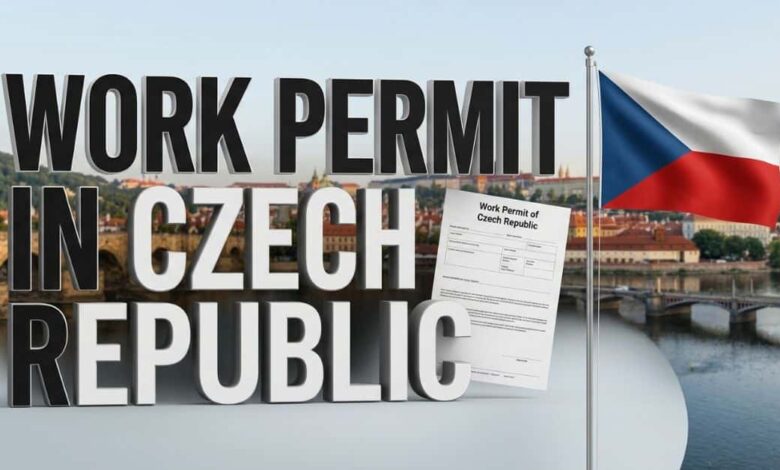
While EU/EEA citizens can freely live and work here, others need a work permit. The hiring company and the employee must both obtain permits, ensuring adherence to specific guidelines.
The permit application process is rigorous and includes multiple documents.
To understand the complete process and the required documentation, consider visiting the Ministry of Labor and Social Affairs website.
Remember, working in Czechia also mandates a valid work visa. Good luck in your quest to find lucrative opportunities in Czechia
Conclusion:
Czechia has grown from a post-communist economy into a confident European player with global relevance. It offers a rare combination of stability, opportunity, and cultural depth.
Whether you’re looking to build a career, start a business, or simply experience life in the heart of Europe, Czechia continues to stand out as a place where ambition meets opportunity and where many people quietly build a better future for themselves.
Frequently Asked Questions:
Do I need to speak Czech to work there?
Not always. Many international companies use English as their working language. However, learning basic Czech can significantly improve daily life and job prospects.
What is the average workweek in Czechia?
The average workweek is around 40–42 hours, depending on the industry and employer.
Can non-EU citizens work in Czechia easily?
They can, but a work permit and visa are required. The process involves employer sponsorship and government approval.